COP17 in Yerevan: a hard-won biodiversity deal, judged insufficient
- Published
- Place
- Yerevan, Armenia
- Event date
- Past event —
Summary
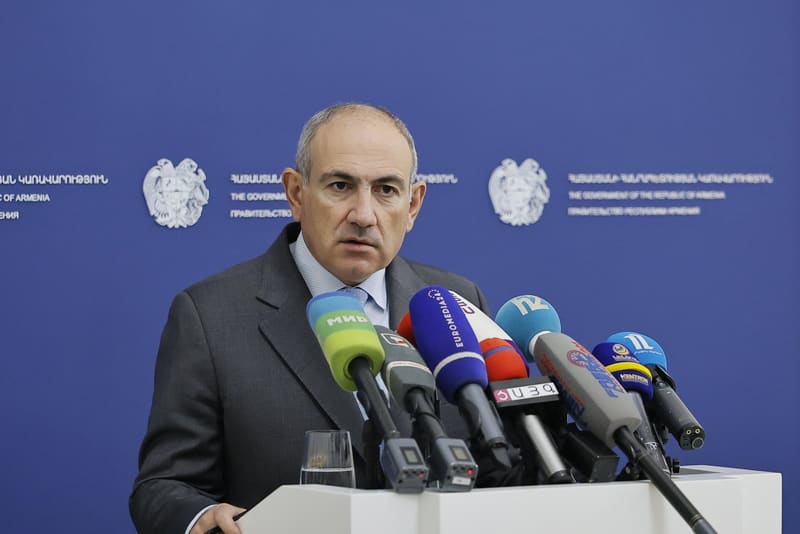
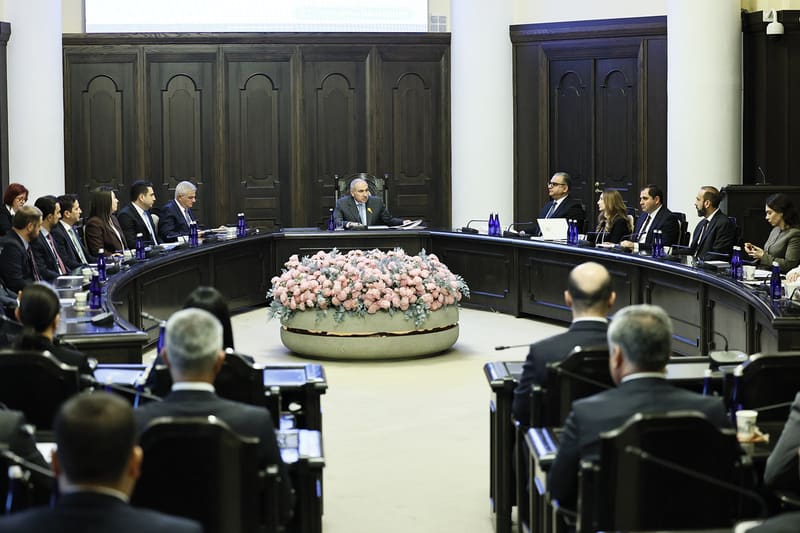
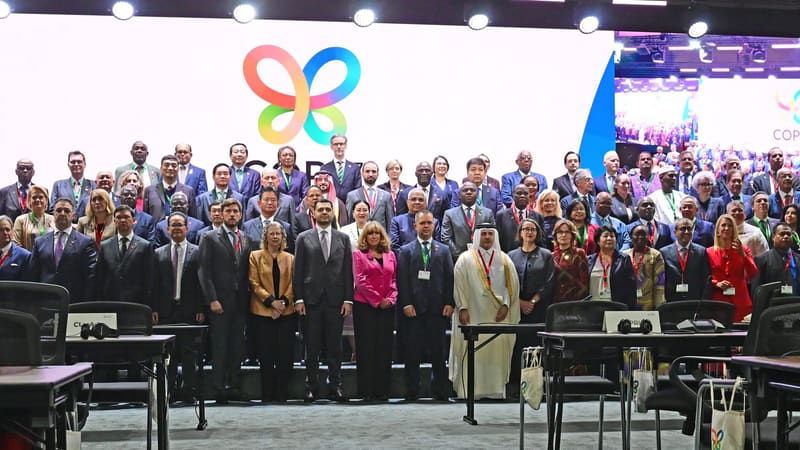
The UN biodiversity conference (COP17), held for nearly two weeks in Yerevan, ended on the morning of Saturday 31 October after an all-night negotiation. Nearly 200 countries adopted the key texts meant to put the 2022 global framework back on track; that framework aims to halt biodiversity loss by 2030, notably by protecting 30% of land and sea. The UN had warned that most of these targets would be missed without a change of course. Armenia’s Environment Minister Hambardzum Matevosyan, president of COP17, closed the proceedings. More than one billion dollars in pledges were announced, half of it from philanthropists. Countries also chose Quito, Ecuador, to host COP18 in 2028, by 55 votes to 53 for Panama.
Analysis
French Ecological Transition Minister Monique Barbut judged the outcome “not commensurate” with the crisis and spoke of “missed opportunities”. The Convention’s chief, Astrid Schomaker, by contrast, says the conference achieved “quite remarkable” things despite weakened multilateralism. NGOs point to weak wording on subsidies harmful to nature. For Yerevan, its presidency ends with an agreement adopted, but after tense debates.
Possible consequences
Countries must speed up their national plans before 2030. Finance remains the weak point: the 2022 commitment to channel 30 billion dollars a year in international support to nature by the end of the decade is progressing too slowly, according to the UN. Armenia keeps the COP presidency until the next session.
What remains uncertain
Final versions of the adopted texts had not yet been published on Saturday morning. The reach of the commitments on subsidies will depend on national implementation. The breakdown of announced financial pledges has not been consolidated.