New constitution: Pashinyan threatens “public pressure” as the opposition refuses to vote
- Published
- Place
- Yerevan, Armenia
- Event date
- Past event —
Summary
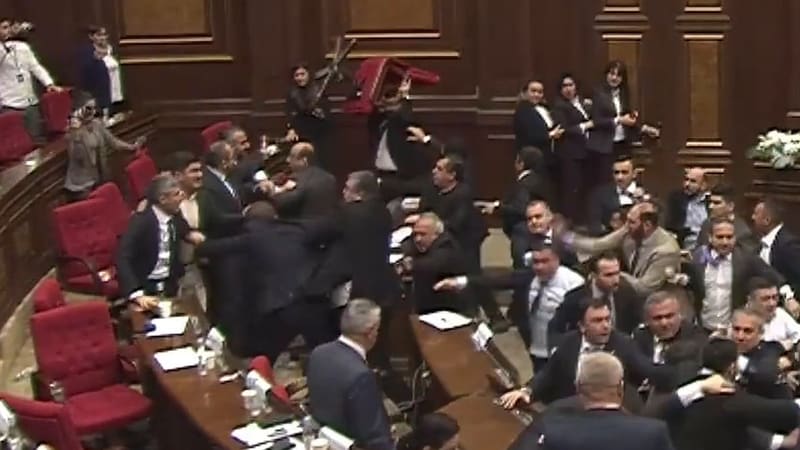
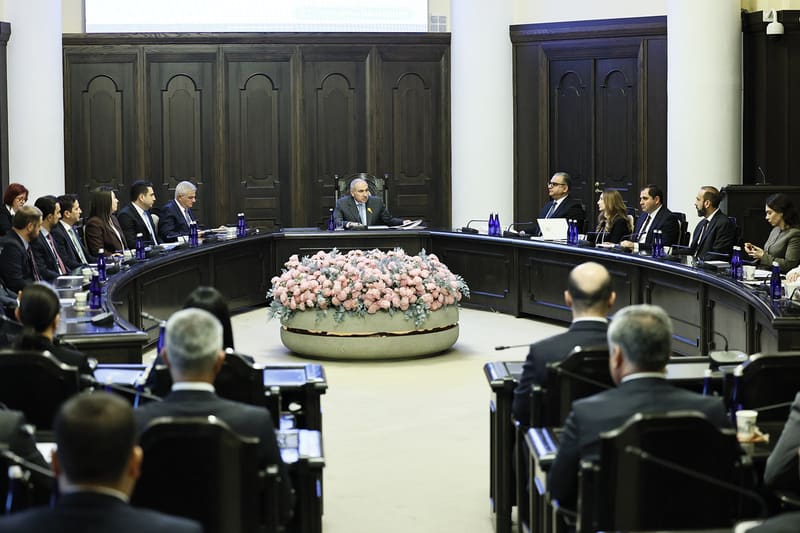
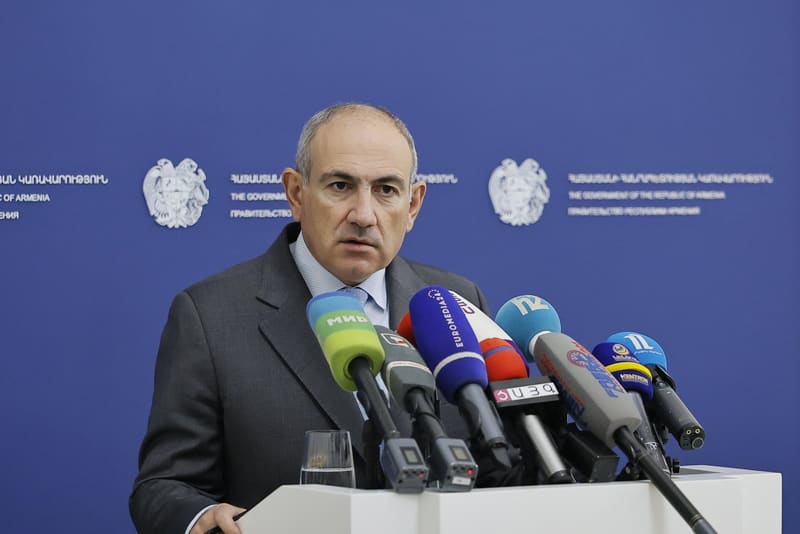
Prime Minister Nikol Pashinyan hardened his tone on 29 October over constitutional reform, which he links to signing a peace treaty with Azerbaijan. Baku demands that the future constitution no longer refer to the 1990 Declaration of Independence, which mentions reunification with Nagorno-Karabakh; Mr Pashinyan called that text “anti-state”. Putting a draft to a referendum requires a two-thirds vote in parliament, which Civil Contract has lacked since the June elections. The head of government spoke of “strong public pressure”, including rallies outside parliament, and then, if that fails, early elections. Both opposition blocs, Armenia and Strong Armenia, refuse to vote for a text that has still not been published.
Analysis
Nikol Pashinyan himself admits he cannot guarantee that changing the constitution will be enough to secure Baku’s signature, which he says depends on outside factors. On 30 October, Speaker Ruben Rubinyan suggested the opposition allow the referendum and then campaign for “No”. Narek Karapetyan (Strong Armenia) replies that an “Aliyev constitution” cannot be adopted; Anna Grigoryan (Armenia bloc) says her side has a mandate to prevent it.
Possible consequences
Without agreement, the timetable for the referendum, and therefore for the peace treaty, remains stalled. The government promises to publish the draft by the end of the year. Mr Pashinyan says he would consider early elections only with a “100 percent guarantee” that the current opposition will not sit in the next parliament, without saying how that could be secured.
What remains uncertain
The draft constitution is not public. The “proposal the opposition cannot refuse” mentioned by the prime minister has not been detailed. Azerbaijan has not publicly confirmed that a constitutional change would be its last condition before signing.